Commercial Moves in Greenwich
If you are planning Commercial Moves in Greenwich, you probably need more than a van and a few boxes. You need a moving team that understands office schedules, building access, business equipment, parking limits, and the pressure of getting work back up and running quickly. Greenwich is a busy and varied area with everything from modern office space and shared workspaces to retail units, hospitality venues, creative studios, and small business premises tucked into older streets. Moving any of them takes planning, care, and the right local knowledge.
Whether you are relocating a small office, changing floors within the same building, moving a shopfit, or transferring a whole commercial operation to a new site, a properly managed move can reduce disruption and help your team stay focused on business. In Greenwich, that local knowledge matters. Narrow roads, loading restrictions, busy commuter times, controlled parking zones, and a mix of historic and newer commercial properties can all affect how a move should be handled.
This page is designed for businesses in Greenwich looking for a practical, reliable, and well-organised moving service. It explains what is typically included, how the process works, what affects pricing, and how to prepare your workplace so moving day runs smoothly. If you are ready to plan a business relocation, request a free quote or book your service now and get your move arranged with confidence.
Why businesses choose local commercial movers in Greenwich

Choosing a local team for commercial removals in Greenwich can make a big difference, especially when timing and access are important. A move in Greenwich may involve a riverside office, a unit near the town centre, a studio close to Greenwich Peninsula, or a workspace near Maze Hill, Westcombe Park, Charlton, or Blackheath. Each location brings its own logistical considerations, and a local mover is more likely to understand them in advance rather than discovering them on the day.
Local experience is especially valuable when dealing with buildings that have limited lifts, shared entrances, time-restricted loading bays, or pedestrian-heavy streets. A team that regularly works in and around Greenwich is better placed to plan around these challenges, select sensible arrival times, and keep the move efficient. That can help reduce delays, avoid unnecessary strain on staff, and limit any interruption to customers or tenants.
Businesses in Greenwich often need moving support for practical reasons: expansion, downsizing, a lease ending, refurbishment, a change of layout, or a relocation closer to clients and transport links. Whatever the reason, the aim is the same: keep the business moving while the premises change. A well-run relocation should feel structured, calm, and controlled, not rushed and chaotic.
Common commercial property types in the area
Greenwich has a broad mix of commercial premises, and that variety affects the way a move is planned. Offices may be set in managed buildings, converted properties, or newer business developments. Retail businesses may need careful handling of stock, shelving, signage, display items, and customer-facing equipment. Hospitality venues often have bulky furniture, appliances, dry goods, glassware, and delicate back-of-house items that need extra protection. Creative businesses may have specialist equipment, archiving needs, or bulky furnishings that require careful loading and unloading.
Understanding the property type helps shape the approach. For example, a compact office might need a small, fast team focused on desks, chairs, files, and IT equipment. A larger commercial move may need a multi-stage schedule, prioritised packing, labelled crates, and coordinated access across several floors. The right local mover will adapt to the site rather than offering a one-size-fits-all service.
What is included in a commercial move
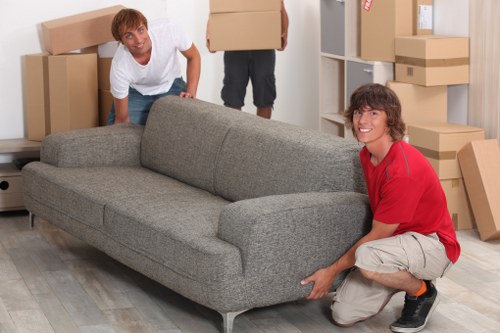
When customers enquire about Greenwich commercial moving services, one of the most useful questions is what is actually included. A proper business relocation service usually goes beyond simple transport. It should support the practical side of moving premises, so your team can continue working with as little disruption as possible.
Depending on the job, commercial moving support may include planning, packing, dismantling, transport, unloading, placement, and reassembly. Some businesses only need help with the heavy lifting and transport. Others want a fuller service that covers everything from boxed archives to sensitive IT equipment. The important thing is choosing a setup that matches your building, your timeline, and the level of involvement you want from your staff.
Typical services for business removals in Greenwich can include office furniture moving, filing and archive relocation, workstation breakdown and rebuild, crate supply, careful handling of stock, and transport of equipment. For some customers, it may also include support with internal moves, such as rearranging departments, moving a meeting room, or shifting items between floors within the same building.
Examples of items commonly moved
- Desks, chairs, cabinets, and boardroom furniture
- IT equipment, monitors, printers, and peripherals
- Boxes of documents, files, and archive storage
- Retail stock, display units, and shelving
- Hospitality furniture, kitchen items, and serving equipment
- Workshop tools, light machinery, and business supplies
- Reception furniture, fixtures, and customer area fittings
Specialist handling is often needed for fragile, high-value, or awkward items. That can include wrapping, padding, disassembly, and careful loading to reduce the risk of damage in transit. If you have items that need particular attention, it is best to mention them early so the move can be planned properly.
How the moving process works

Commercial relocations work best when they are planned step by step. That is true whether you are moving a small office near Greenwich station or transferring a larger business space elsewhere in south east London. The goal is to create a process that is clear for everyone involved, from the first survey to the final placement of furniture in the new premises.
Most moves begin with an initial discussion about the size of the job, the type of property, the access at both ends, the items involved, and the preferred moving date. This helps shape a realistic plan and allows the mover to identify likely challenges in advance. For example, if there is tight parking near the building, the team may need to schedule loading carefully. If there is limited lift access, they may need to allow extra time or additional staff.
Once the details are understood, the move can be organised around your business needs. That might mean moving outside peak hours, scheduling work over a weekend, or splitting the relocation into stages to keep some departments operational. Flexible planning is often one of the biggest advantages of using a local commercial moving team.
Typical move-day sequence
- Arrival and site check at the collection property
- Protection of floors, doorways, and vulnerable items where needed
- Loading of pre-packed crates, furniture, and equipment
- Safe transport to the destination property
- Unloading, placement, and reassembly if included
- Final walkthrough to check key items are in position
For businesses that need minimal downtime, the move may be timed so items are transferred after closing hours or during quieter trading periods. In some cases, a staged move works best, especially when a business cannot stop operating entirely. The right approach depends on your premises, staff availability, and how much preparation time you have.
Preparation checklist for a smoother business move
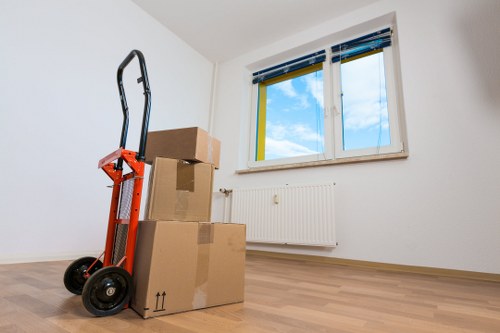
Good preparation can save time, reduce confusion, and lower the chance of things being misplaced during a busy relocation. Even when a professional team handles the heavy lifting, the business still benefits from a clear plan for packing, labelling, and internal communication. For commercial moves in Greenwich, where parking, access, and building rules can all affect the day, preparation is especially important.
Before the move, it helps to identify exactly what is going, what is being discarded, and what needs special attention. A tidy, organised move is usually faster and more cost-effective than one where items are still being sorted on the day. It is also easier for the movers to protect delicate equipment and place items correctly at the new site when there is a clear structure in place.
Preparation does not need to be complicated, but it should be deliberate. Businesses often find that a little time spent planning saves a lot of stress later. If you have staff assigned to the move, make sure everyone knows who is responsible for packing, labelling, and securing important items like documents or IT equipment.
Practical preparation checklist
- Confirm the moving date and access times for both properties
- Notify building management if approval or lift booking is required
- Reserve loading space or check parking restrictions in advance
- Label boxes clearly by department, room, or item type
- Back up digital data and protect important records
- Separate personal items, confidential files, and items not moving
- Disassemble only what is necessary, or ask for help with large furniture
- Inform staff of the moving plan and any temporary changes to work routines
IT and data considerations
Many business moves involve computers, monitors, servers, printers, and network equipment. These items are often sensitive to impact and need careful handling. Before the move, it is wise to shut down systems properly, back up files, and make sure cables, accessories, and small parts are stored together. If you have specialist equipment, keep a note of what goes where so reinstallation is faster at the new premises.
Confidential documents should be packed securely and kept under control throughout the move. If your business handles sensitive information, it is best to use sealed boxes or locked containers and limit access to authorised staff only.
Pricing factors and what affects the cost

Many customers looking for Greenwich business relocation support want to understand what affects the final cost before they commit. While exact pricing depends on the details of the job, there are several common factors that typically influence the quote. Knowing these in advance makes it easier to compare options and plan your budget realistically.
One of the main factors is the size of the move. A small office with a handful of desks and chairs will naturally be simpler than a multi-room commercial premises with stock, archives, and specialist equipment. The distance between properties also matters, though even local moves can vary in complexity if the collection or delivery site has difficult access, limited parking, or multiple floors.
Another important factor is the level of service required. If you only need transport, that is one thing. If you need packing support, dismantling, reassembly, or staged relocation over several days, the job becomes more involved. Timing can also affect the quote, especially if you need weekend, evening, or out-of-hours work to reduce business disruption.
Factors that usually influence a quote
- Size and complexity of the premises
- Amount of furniture, stock, and equipment
- Access at collection and delivery properties
- Parking restrictions and loading arrangements
- Distance between old and new locations
- Need for packing, dismantling, or reassembly
- Special handling for fragile or high-value items
- Timing, including weekend or evening moves
Requesting a tailored quote is usually the best way to get an accurate price for your commercial move. A good mover will want enough detail to understand the job properly rather than offering a vague estimate. The more precise the information, the more useful the quote will be for planning purposes.
Why planning reduces unexpected costs
Unexpected delays often happen when access details are unclear, items are not packed in advance, or the team arrives to find the wrong loading arrangement. Good planning helps avoid wasted time and makes the day more efficient. That is why local businesses in Greenwich often benefit from speaking to a mover early, especially if the building has restrictions or the move needs to happen during busy business hours.
Why Greenwich businesses value a local moving team
Local knowledge can be a real advantage in Greenwich. Roads around the area can become busy quickly, especially during commuter times and on event days. Some business premises are easy to reach with the right vehicle and timing, while others require extra coordination because of tight streets, residential surroundings, shared access, or limited space for unloading. A team familiar with the area can plan around these realities instead of treating every move the same way.
For customers in and around Greenwich, local support also means a quicker response when planning changes or moving questions arise. This matters if your move date shifts, your access window changes, or you suddenly need to add another room, floor, or item to the job. A local company is often better placed to adjust without causing unnecessary delay.
Another advantage is familiarity with the mix of property types found throughout the area. Greenwich has everything from newer commercial developments to older buildings with narrower stairways and less convenient loading. That variety calls for a moving team that can adapt its equipment, staffing, and packing approach to suit the site.
Areas and nearby locations commonly served
- Greenwich town centre
- Greenwich Peninsula
- Maze Hill
- Westcombe Park
- Charlton
- Blackheath
- Deptford
- Lewisham
- Woolwich
- North Greenwich
Businesses nearby also benefit from the same local approach, especially if they are moving between Greenwich and surrounding south east London areas. If your premises are close to transport links, a shopping area, a riverside development, or a mixed-use building, a mover with local experience can usually plan a more practical route and schedule.
Moving different kinds of businesses
Not every commercial move looks the same. A retail shop move is very different from relocating an office, and a hospitality venue has different priorities again. The best movers understand that each business needs a tailored plan rather than a standard checklist copied from the last job. That flexibility is especially useful in Greenwich, where commercial spaces can vary greatly in size, access, and layout.
Office relocations often need careful handling of desks, filing, IT equipment, monitors, and meeting room furniture. The aim is to keep disruption to a minimum and make it easy for staff to resume work as soon as possible. Businesses may also need items to be placed in a specific order so departments can continue functioning during the transition.
Retail moves often involve stock, shelving, till areas, display furniture, signage, and storage units. Timing can be important here, especially if the business needs to close for a short period or move after trading hours. The move should be planned so that stock arrives in a usable condition and can be organised efficiently at the new site.
Hospitality, creative, and specialist premises
Hospitality businesses may need support with tables, chairs, kitchen items, bar equipment, appliances, and supplies. Creative spaces can have large work surfaces, delicate tools, artwork, storage units, and project materials. Small workshops and light industrial spaces may have heavier items or tools that require extra care. In all cases, the best outcome comes from matching the service to the exact type of business being moved.
Temporary storage may also be useful if your new premises are not ready all at once, or if you need to stage the move over time. While storage requirements vary, it can be a practical option for businesses that are waiting on refurbishment, fit-out work, or delayed occupancy.
How to make the move less disruptive
Business owners often worry about downtime, lost productivity, or the inconvenience of moving while still trying to serve customers. The good news is that commercial relocation can be managed in a way that keeps disruption under control. It starts with deciding what must move first, what can wait, and how your staff will keep working during the transition.
Many Greenwich businesses find it helpful to split the move into phases. For example, admin and IT equipment may move first, followed by furniture, then stock or archive items. This staggered approach can make unpacking easier and allow the most important functions to resume quickly. It also reduces pressure on the move day because not everything has to happen at once.
Communication inside the business is also important. Staff should know what is expected of them, which items they are responsible for, and whether they need to pack personal belongings or clear desks beforehand. When everyone understands the plan, the move tends to be faster and less stressful.
Helpful ways to reduce downtime
- Choose a move time that suits your trading pattern
- Pack non-essential items ahead of the moving date
- Keep key documents and essential equipment separate
- Label rooms and departments clearly at both sites
- Arrange utilities and internet setup in advance if needed
- Prioritise workstations needed for immediate business use
If you are moving out of a shared office, managed building, or busy commercial area, it can also help to check whether there are rules about lift bookings, delivery times, or waste removal. A local mover used to business removals in Greenwich can help you think through these details early.
What to look for when choosing a commercial moving service
When you are comparing options for a commercial move, it is worth looking beyond the basic idea of transport. The right team should feel organised, practical, and responsive to your business needs. They should be able to talk through access, scheduling, packing, and any special items without making the process feel overly complicated.
Clear communication is one of the most valuable signs of a reliable moving service. If a team asks useful questions about your property type, number of floors, parking, and item list, that is a good sign they are thinking ahead. If they are willing to discuss a staged move, out-of-hours service, or the need for careful handling of office or retail equipment, that can be especially helpful for Greenwich customers with tighter access or busy premises.
It is also useful to choose a mover that understands the difference between a residential house move and a commercial relocation. Business moves usually involve more coordination, more equipment, and more pressure to stay operational. A company with experience in commercial removals is more likely to anticipate those differences and plan accordingly.
Questions worth asking before you book
- Have you handled commercial moves of this size before?
- How do you manage access, parking, and loading restrictions?
- Can you help with dismantling and reassembly if needed?
- How should we prepare our IT and confidential documents?
- Can the move be done outside normal business hours?
- What details do you need to provide a proper quote?
These questions can help you compare providers more confidently and choose a service that fits your needs rather than one that sounds convenient in theory but is less practical on the day.
Frequently asked questions
How far in advance should I book a commercial move?
It is usually best to book as early as possible, especially if you need to move on a specific date, outside normal hours, or during a busy period. Early planning also gives you more time to organise packing, approvals, and staff communication.
Can my business stay open during the move?
In many cases, yes. Some moves can be staged so that part of the business remains operational while another section is relocated. This depends on the layout of your premises, the amount of equipment involved, and the flexibility of your schedule.
Do commercial moves include packing?
They can, depending on the service you choose. Some businesses only need transport, while others want help with packing boxes, wrapping furniture, and preparing equipment. It is best to discuss your requirements early so the right level of support can be arranged.
What if my building has limited parking or loading access?
This is very common in Greenwich and nearby areas. A local mover will usually want to know about parking restrictions, loading bays, permits, and access routes in advance so the move can be planned around them.
Can you move desks, filing cabinets, and office equipment?
Yes, these are typical items in office and workplace relocations. Larger items may need disassembly or careful handling, especially if they are heavy, awkward, or located on upper floors.
Do you cover nearby areas as well as Greenwich?
Yes, commercial moves often include nearby locations such as Maze Hill, Charlton, Blackheath, Westcombe Park, North Greenwich, Deptford, Woolwich, and other parts of south east London.
If you are planning a move soon, now is a good time to request a free quote and start building a practical relocation plan that suits your business.
Ready to plan your Greenwich commercial relocation?
Whether you are moving a small office, a retail unit, or a larger commercial workspace, the right support can make the whole process much easier. A local moving team that understands Greenwich can help you plan access, manage timing, protect equipment, and keep disruption under control. That means less stress for your staff and a smoother transition into your new premises.
Commercial Moves in Greenwich are best handled with careful planning, clear communication, and a service that is flexible enough to fit your business. From preparation and packing to transport and placement, every part of the move benefits from a structured approach. If you want a move that feels organised from start to finish, contact us today to discuss your requirements.
Request a free quote, speak through your moving needs, and get your relocation arranged with confidence. Book your service now and take the next step toward a smoother business move in Greenwich.