Greenwich council parking permits for removal vans explained
Posted on 09/07/2026
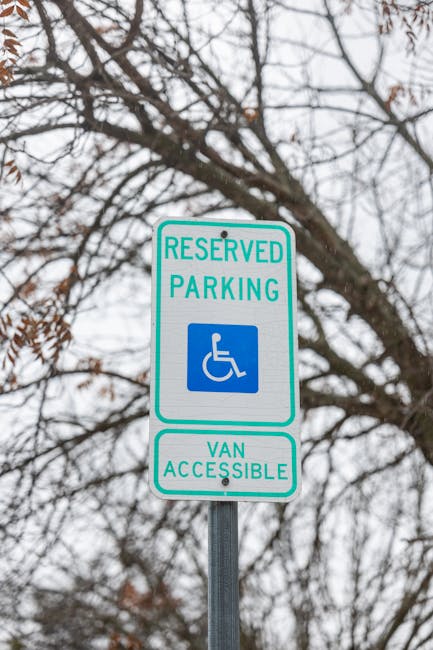
If you are moving in or out of Greenwich, parking can become the thing that quietly ruins the day. The van turns up, the street is tight, a neighbour's car is already half in the bay, and suddenly the whole move is on hold. That is where Greenwich council parking permits for removal vans explained properly can save you a lot of stress. This guide breaks it down in plain English: when you may need permission, how removal van parking usually works, what can go wrong, and how to plan so the move feels calmer from the start.
To be fair, most people only think about boxes, furniture and keys. But in Greenwich, the parking side of a move can matter just as much as the lifting. A little preparation goes a long way.
Why Greenwich council parking permits for removal vans explained Matters
Parking permits are not just paperwork. They determine whether the removal van can park legally close enough to your door to do the job efficiently. In a busy part of London like Greenwich, that often means the difference between a tidy two-hour move and a day full of delays, double-handling, and a lot of frustrated sighing.
A removal team needs space for the vehicle, room to load safely, and enough proximity to avoid carrying heavy furniture half way down the street. If the van has to park far away, the crew may need extra time. That can affect your costs, your building access window, and even your neighbours' patience. Nobody enjoys trying to carry a sofa past three bins and a bicycle rack at 8:15 on a damp Tuesday morning. It is not elegant.
Greenwich also has the usual mix of controlled parking zones, permit bays, loading restrictions and tight residential streets. So the real issue is not "do I like the idea of a permit?" It is "can the van legally stop where it needs to stop?" That is why understanding the permit side before moving day is so important.
If you are planning a house move, a flat move, or a business relocation, it may also help to read related guidance on house removals in Greenwich and flat removals in Greenwich, especially if your property sits on a narrow street or shared access road.
How Greenwich council parking permits for removal vans explained Works
At a simple level, the process is about temporary parking permission. In many moves, the van does not need a special "removal van permit" in the abstract. What it needs is lawful access to the space outside your property or close enough nearby to load and unload safely. Depending on the street, that may involve a resident permit bay, visitor parking, a suspension, a loading bay, or a short-stay arrangement.
Here is the basic logic:
- Check the parking rules for the street. Look at bay markings, signs, time limits and any permit-only restrictions.
- Work out whether the van can legally stop where needed. If not, the move may need a permit, a suspension, or a loading alternative.
- Arrange permission early. Some arrangements take planning. Leaving it to the morning of the move is a classic headache.
- Keep proof available. If permission is issued, the move team should have the relevant details to hand.
- Use the space correctly on the day. Parking permission usually comes with conditions, time windows or bay boundaries.
The exact process can vary by street and by how the council manages parking in that location. That is why a one-size-fits-all answer is never quite enough. A permit that works on one Greenwich road may be useless on another two streets over. Annoying, yes. But normal.
In practical terms, the moving company and the property owner usually need to coordinate. If you are using a specialist team, check whether they can advise on access planning as part of the move. A good operator will think about parking, access height, bay restrictions and building entry before the van even leaves the yard. Our services overview gives a useful sense of how removal support can be structured around the move itself.
Key Benefits and Practical Advantages
Getting the parking side right gives you more than convenience. It can change the whole shape of moving day.
- Less risk of delays: When the van has legal access close by, loading becomes quicker and more predictable.
- Lower chance of fines or complaints: A legal parking setup helps you avoid awkward conversations with enforcement teams or irritated neighbours.
- Safer lifting: Shorter carrying distances mean less strain and fewer chances of dropping something heavy.
- Better crew efficiency: Removal teams can work more smoothly when they do not have to dodge traffic or walk long distances between property and vehicle.
- Cleaner timing for building access: If your lift booking, landlord key handover, or council time slot is tight, parking matters a lot.
There is also a less obvious benefit: confidence. People move more calmly when they know the van can park where it should. You will notice that the atmosphere changes. The kettle goes on, people stop hovering in doorways, and the job starts to feel manageable instead of chaotic.
If you are comparing service types, it can help to understand the difference between a dedicated van hire and a broader moving package. Pages like removal van Greenwich, man with van Greenwich and removals Greenwich can help frame the options, especially if you are trying to match the vehicle size to the street layout.
Who This Is For and When It Makes Sense
This matters for more people than you might expect. If your move involves any kind of controlled street parking, you should treat the permit question seriously. That includes:
- homeowners moving out of terraced or semi-detached streets
- flat movers dealing with narrow roads or shared access
- students moving in or out of accommodation with limited bay space
- office teams relocating equipment or furniture
- people booking a same-day move and needing quick kerbside access
- customers with bulky items, like wardrobes, sofas or pianos
For smaller or lighter moves, you might still need parking planning even if you do not think of it as a "permit issue." A short stop in the wrong place can still create a bottleneck. And with Greenwich's mix of residential parking controls, that bottleneck can appear very quickly, especially around peak hours.
If you are moving with a specialist team, you may also want to look at same day removals Greenwich if timing is tight, or student removals Greenwich if you are managing a smaller load and a tighter budget. Different move types have different parking pressures. That part is easy to underestimate.
Step-by-Step Guidance
Here is the clearest way to handle the parking side of a removal van booking.
- Inspect the street in advance. Look for permit bays, single yellow lines, loading restrictions, suspended bays and resident-only areas. If possible, check both the origin and destination addresses.
- Measure the practical access. Ask yourself where the van could realistically stop without blocking traffic or breaking the rules.
- Decide whether a permit, suspension or loading arrangement is needed. Different streets call for different solutions. A loading bay may be enough in one place; another might need a reserved space.
- Speak to the removal company early. A good team will tell you what they need to know: postcode, street layout, access times, and whether there are stairs, lifts or shared entrances.
- Allow for timing margins. Parking permission is only useful if your lift schedule, keys, and packing are aligned.
- Keep the details handy on the day. Have the parking plan, address, and any approval information ready. It saves a scramble later.
- Recheck before the van arrives. Streets change. Temporary restrictions appear. Roadworks happen. A quick final look can save a messy surprise.
It sounds obvious, but people often leave the parking conversation until the packers are already on site. That is usually the moment when the one-way street feels suddenly very narrow. Best not to get there.
For planning around costs and service scope, these resources are also useful: pricing and quotes, SE10 removals costs what to know before you book and avoiding hidden charges in Greenwich removal quotes. They help you see how access issues can affect the final picture.
Expert Tips for Better Results
These are the small things that make a bigger move run more smoothly. Not glamorous. Very useful.
- Plan both ends of the move. People often focus on the old address and forget the new one. The arrival point matters just as much.
- Ask about vehicle size. A compact van may fit more easily on a narrow Greenwich street than a larger lorry. Sometimes smaller is smarter.
- Check building restrictions. Gated entrances, timed lifts and estate rules can all matter as much as the street rules outside.
- Pack with access in mind. Put the items you need first near the door. That keeps loading efficient and avoids endless shuffling.
- Leave a bit of slack in the schedule. Even a small parking delay can ripple through the day.
A practical example: if you are moving from a top-floor flat on a narrow road in SE10, the route from van to front door may be longer than you expect. In that case, moving fewer huge boxes and more manageable cartons can reduce the time the van spends parked. It is a tiny detail, but little details are the whole game here.
For more support with heavy or awkward items, you might also look at furniture removals Greenwich or piano removals Greenwich. Those jobs benefit especially from careful parking and access planning. A piano through a tight doorway, with a van parked a bit too far away, is nobody's idea of a pleasant afternoon.

Common Mistakes to Avoid
Most permit-related moving problems come from a handful of repeat mistakes. The good news is they are avoidable.
- Assuming the van can "just stop for a minute". In controlled parking areas, a minute can still be a problem.
- Forgetting the destination address. You need access at both ends, not just where you are leaving from.
- Leaving arrangements until the last day. This is where good moves go sideways. Fast.
- Not checking whether the van size matches the street. Bigger is not always better in London.
- Ignoring time windows. If permission only applies for a set slot, arriving late can undo the plan.
- Believing someone else has sorted it. Even when a removal company is helping, it is still worth confirming the details yourself.
There is also a communication issue that trips people up. If you tell the team "parking should be fine," but the street is actually resident-only between 10am and 11am, that gap in information can cost time. Better to be slightly over-informative than vague. Really, that is one of the simplest ways to protect your move.
If your move involves more than just transport, it may help to review packing and boxes Greenwich, because faster packing usually means shorter loading time, which in turn makes parking pressure less intense. It all connects.
Tools, Resources and Recommendations
You do not need fancy software to get this right. What you need is a good process and a few sensible checks.
- Street view and maps: Useful for spotting narrow roads, corners and loading constraints before the move.
- Property management notes: If you live in a managed block, the managing agent may already know the access rules.
- Removal company guidance: A professional team should be able to talk through access, vehicle choice and loading strategy.
- Written moving plan: Keep the parking arrangements in the same note as the move schedule, so nothing gets lost in a message thread.
- Backup contact: If one person is dealing with keys and another with the van, make sure both know the plan.
For broader planning, these pages can help shape the move itself: house removals Greenwich, office removals Greenwich, removal services Greenwich and man with van Greenwich. They are useful if you are matching vehicle type and service level to the realities of the street.
If security and peace of mind are on your mind too, the insurance and safety page is worth a look. It is not directly about parking, of course, but a well-run move usually treats access, handling and protection as one combined job.
Law, Compliance, Standards or Best Practice
Parking rules in London are not something to guess at. You should always treat local signage, controlled zones and any permit conditions as the final word for the street in question. That is the safest approach, and frankly the only sensible one.
From a best-practice perspective, a removal company should aim to:
- check access before arrival
- use a vehicle suitable for the road conditions
- avoid obstruction where possible
- keep the loading operation safe and efficient
- communicate clearly with the customer about timing and access constraints
Customers also have a practical responsibility to share accurate information. If there is a hidden courtyard, a low bridge, an access code, or a strict loading window, say so early. These are not minor details; they are the move.
For trust and transparency, it is worth checking the company's wider policies too. Pages such as terms and conditions, health and safety policy, privacy policy, payment and security and complaints procedure help show how the business handles service, safety and customer care. Not exciting reading, no. Still useful.
Options, Methods, or Comparison Table
Depending on the street and the property, you may have a few ways to handle removal van parking. Here is a simple comparison.
| Option | Best for | Pros | Watch out for |
|---|---|---|---|
| Permit bay / resident bay access | Short moves on controlled residential streets | Usually close to the property; efficient loading | May require advance arrangement or be time-limited |
| Loading bay | Moves needing quick in-and-out access | Designed for loading; practical for removal work | Can have strict time limits and monitoring |
| Parking suspension or reserved space | Busy streets or larger moves | Creates dedicated space for the van | Needs planning and may not be available everywhere |
| Off-street loading from a driveway or forecourt | Homes with private access | Simple, fast, and usually less stressful | Not available for many Greenwich properties |
| On-street parking with no formal arrangement | Only where parking is clearly unrestricted | Easy if the street is genuinely open | Higher risk of fines, delays, or obstruction |
In real life, the "best" option is often the one that makes loading safe and legal without wasting half the morning. A smaller van and a sensible parking location can outperform a larger vehicle parked badly. That is the kind of trade-off people only learn after one moving day too many.
Case Study or Real-World Example
Here is a realistic Greenwich scenario. A couple moving from a second-floor flat near a busy residential street needed the van close to the building because they had a sofa, a dining table and several heavy boxes. At first, they assumed the driver would find a place nearby without any planning. In the end, the street was more restricted than expected, and the van could not simply stop outside.
So they adjusted the plan. The removal team used a more compact vehicle, the customer pre-packed fragile items, and the loading window was moved earlier to avoid heavier traffic. The result was not magical, just organised. The van parked legally in the closest practical space, the carry distance stayed manageable, and the job finished without the usual pile-up of "where can we leave this?" questions.
Was everything perfect? Of course not. One box of kitchenware was labelled badly, because someone had written "misc" in a hurry, which is basically code for future confusion. But the move itself worked because the parking and access details were sorted first. That is the part worth copying.
If your own move looks similar, you may also find it helpful to compare man and a van Greenwich with removals Greenwich. The right choice often depends on how tricky the street is, not just how much furniture you own.
Practical Checklist
Use this before moving day. It keeps the process grounded.
- Check the parking signs at both addresses
- Confirm whether the van can stop legally close to the property
- Decide whether a permit, reservation or loading arrangement is needed
- Tell the removal company about access restrictions early
- Share postcode, street name and any building access notes
- Confirm the moving time and any time-limited parking window
- Ask what size of vehicle is planned
- Make sure keys, lift access and entry codes are ready
- Pack the highest-priority items last, so they come off first
- Keep a backup contact number handy on the day
If you are still comparing move types, pages like removal companies Greenwich, removal services Greenwich and about us can help you understand the kind of support you may want from the start. And if you are moving something especially valuable or awkward, such as a piano, that planning matters even more.
Conclusion
Parking permits and access rules might feel like the least glamorous part of moving, but in Greenwich they are often one of the most important. Get that piece right and the rest of the day becomes much easier to manage. Get it wrong, and everything starts to feel louder, slower and more stressful than it needs to be.
The best approach is simple: check the street, plan early, coordinate with your removal team, and do not assume the van can just appear and solve itself. A little care around parking can protect your time, your budget and your nerves. That is not a small thing when you are moving home or business premises.
And honestly, once the first box is in the van and the access plan is working, you can feel the whole day loosen up. Small win, big relief.
Get a free quote today and see how much you can save.